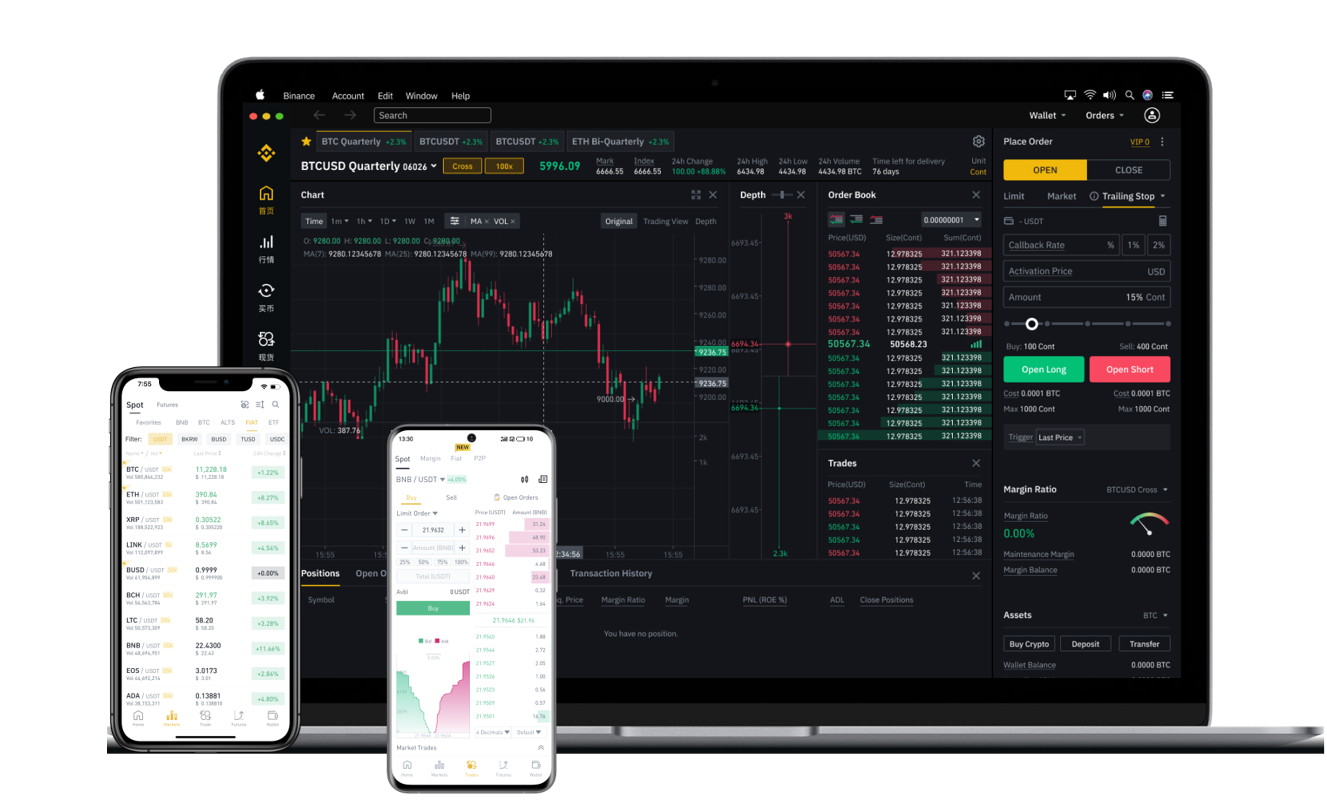

The sudden crash of a major cryptocurrency exchange like Binance can send shockwaves through the entire digital asset market. For users, the immediate reaction is often panic, followed by a flurry of questions about the safety of their funds. When we talk about a "Binance exchange crash," we are referring to a scenario where the platform becomes completely inaccessible, fails to process trades, or experiences a catastrophic software failure. Understanding what this means and how to react is crucial for any investor.
First, it is important to distinguish between a temporary technical glitch and a full-scale security breach. In most historical cases, a "crash" on Binance has been caused by extreme market volatility. When Bitcoin or Ethereum prices swing violently within minutes, the exchange’s order matching engine can become overwhelmed by the sheer volume of buy and sell orders. This can lead to a "flash crash" where prices temporarily drop to near zero on the platform, or a complete freeze where users cannot log in or cancel their orders. During these events, your assets are not lost; they are simply locked within the exchange’s database until the system recovers.
However, the risk is not zero. A prolonged crash can lead to significant financial loss if the exchange fails to process stop-loss orders. For example, if you set a stop-loss to sell your Bitcoin at $60,000 but the exchange crashes before the order goes through, you might end up holding the asset as the price continues to fall. Furthermore, a crash that is the result of a hack or internal error could mean that user funds are drained from the exchange's hot wallets. While Binance maintains a "Secure Asset Fund for Users" (SAFU), which is an emergency insurance fund designed to cover losses in worst-case scenarios, the recovery process can take days or weeks.
From a market perspective, a Binance crash has a cascading effect. Because Binance is the largest exchange by trading volume, its downtime often creates massive price discrepancies across other platforms. Traders may see Bitcoin priced at $70,000 on Coinbase but $65,000 on a smaller exchange due to the panic. This is known as the "arbitrage gap." The broader cryptocurrency market typically sees a sharp decline in value during a Binance outage, as confidence drops and liquidity dries up globally.
What should you do if you experience a Binance crash? First, do not attempt to send new funds to the exchange or execute emergency trades. Scammers often exploit these moments by creating fake "customer support" phishing sites. Second, wait for the official announcement from Binance. Usually, the exchange will release a status report explaining the cause of the crash and the estimated time for recovery. Finally, consider diversifying your holdings. Keeping all your assets on a single exchange is risky. Using a combination of hardware wallets for long-term storage and multiple exchanges for trading can protect you from the total loss of access during a single platform crash.
In conclusion, while a Binance exchange crash is a frightening event, it is often temporary. The most important factor is how the exchange handles the crisis, including communication and compensation. The market usually recovers within hours once the platform is back online. However, this does not mean you should ignore the warning signs. Every crash is a reminder of the importance of self-custody and risk management in the volatile world of cryptocurrency.