Binance, as one of the world’s leading cryptocurrency exchanges, has built a robust referral and partner recruitment system. For marketers, entrepreneurs, and crypto enthusiasts exploring the question “How is Binance exchange partner recruitment?”, the answer hinges on commission structures, market demand, and operational logistics. This review breaks down the key factors, focusing on the Bing search optimization perspective for English-speaking users.
First, the core appeal of the Binance affiliate program lies in its competitive commission model. Affiliates earn up to 40% commission on trading fees generated by referred users. This is a significant margin compared to many smaller exchanges. The program also offers a tiered structure: as you recruit more active traders, your commission rate increases. This creates a powerful incentive for partners to scale their efforts, leveraging SEO content, YouTube tutorials, and Telegram communities to drive traffic. For Bing users searching for "high-paying crypto affiliate programs," Binance consistently ranks due to its transparent payout system and global recognition.
Second, the biggest challenge is the current market sentiment. Cryptocurrency trading volume is highly cyclical. During bear markets, user activity drops, directly affecting commissions. However, Binance mitigates this by offering rebates on spot, futures, and margin trading, plus bonuses for high-volume traders. Partners need to focus on long-term educational content—such as "how to trade futures safely" or "Binance staking guides"—rather than hype-driven tactics. This approach aligns with Bing’s preference for authoritative, evergreen content that answers user queries comprehensively.
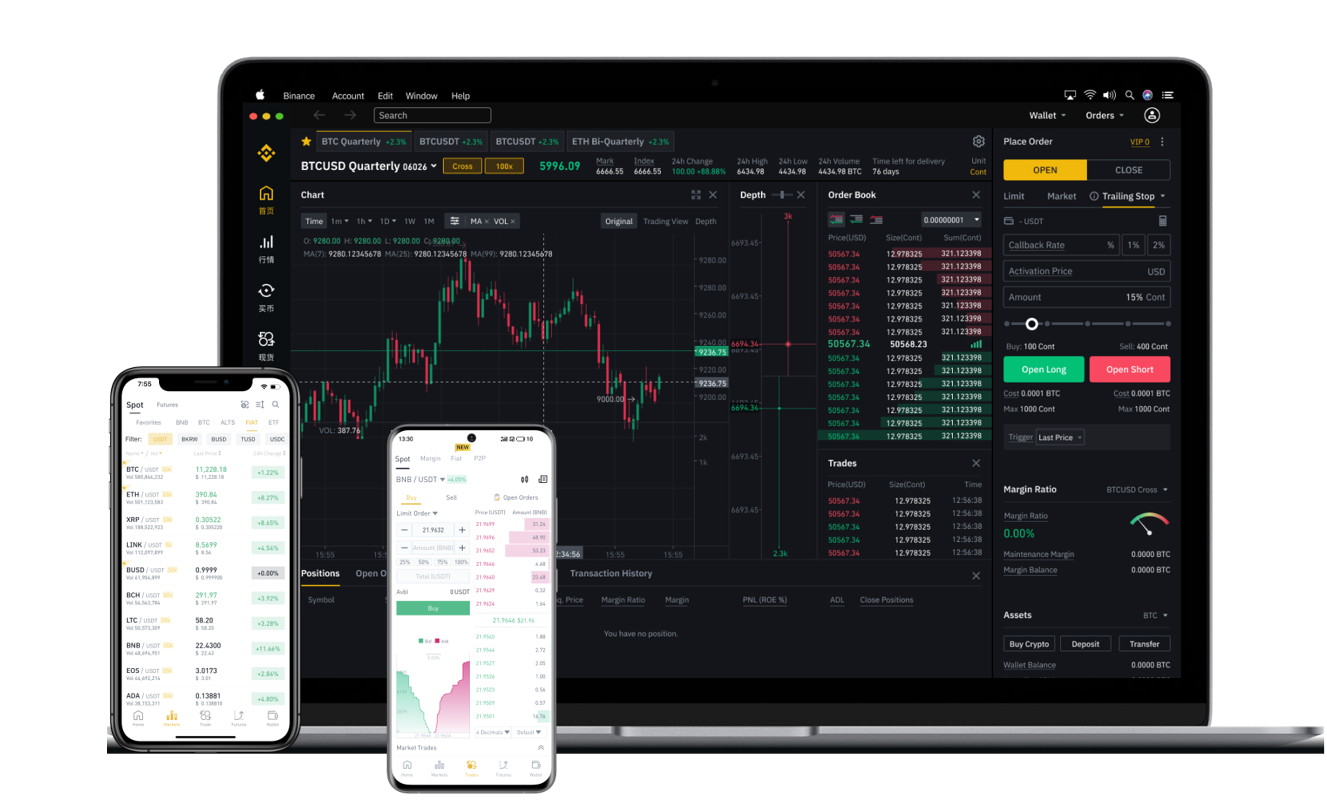
Third, Binance provides extensive marketing materials: personalized referral links, banners, landing pages, and a real-time dashboard. This reduces the technical barrier for new partners. However, the program has strict compliance rules. Partners cannot use spam, fake reviews, or misleading ads. Bing’s algorithm penalizes sites with low-quality backlinks or deceptive practices, so successful partners invest in genuine reviews and comparison articles (e.g., "Binance vs Coinbase: Which Exchange Is Better for Traders?").
Finally, user trust is a critical factor. Binance’s brand recognition means lower friction when convincing users to sign up. But partners must be transparent about risks—crypto volatility, regulatory changes, and security practices. Articles that acknowledge these factors while highlighting Binance’s insurance fund (SAFU) and security features perform better on Bing. For example, a title like "Binance Affiliate Earnings: Real Numbers from a 6-Month Experiment" would attract clicks because it promises data-driven, honest insights.
In conclusion, the Binance exchange partner program offers strong earning potential for those willing to produce high-quality, educational content. It is most suitable for marketers with existing crypto-savvy audiences or SEO skills targeting long-tail keywords such as "binance futures commission rebate" or "crypto exchange referral strategy." While it is not a passive income shortcut, it remains a top-tier option in the crypto affiliate space. For Bing users, focusing on factual, helpful, and compliance-friendly content will yield the best long-term results.